
variety of tempered glass
Understanding the Steel Ring Gauge A Precision Measurement Tool The steel ring gauge is an essential instrument in manufacturing and quality control, often utilized for precision measurement in various industries. Designed primarily for measuring the dimensions of objects, these gauges serve as a tool for ensuring that parts and components meet stringent specifications and tolerances. A steel ring gauge typically consists of a hardened steel body in the form of a ring, with inner diameters that are meticulously engineered. The rigidity and durability of steel make these gauges suitable for repeated use, providing consistent, accurate measurements over time. The use of high-quality steel also reduces the likelihood of wear and deformation, which can compromise measurement accuracy. The primary function of a steel ring gauge is to verify the diameters of cylindrical objects, such as shafts, pins, and other machined components. They come in two main types the go gauge and the no-go gauge . The go gauge is designed to fit onto the standard dimensions of the object being measured, indicating that the part meets the required specifications if it fits snugly. Conversely, the no-go gauge does not fit this standard, alerting the operator that the part exceeds permissible limits in size. steel ring gauge Manufacturers often employ these gauges in processes like machining, assembly, and surface finishing. By using steel ring gauges, they can identify defects early on, prevent faulty parts from progressing through production, and ultimately maintain high quality in their output. With the increasing reliance on automation and robotics in manufacturing, the role of precision measurement has become even more vital, further solidifying the importance of steel ring gauges in modern industrial practices. In addition to their use in manufacturing, steel ring gauges are also instrumental in research and development settings. Engineers and researchers often utilize these precision tools to obtain accurate measurements during the prototyping phase of product development. Ensuring that parts meet exact specifications before mass production can save valuable time and resources, preventing costly rework and ensuring customer satisfaction. One of the notable advantages of steel ring gauges is their adaptability. They can be tailored to meet specific requirements by creating custom sizes and shapes, allowing businesses to address unique measurement challenges. Furthermore, advancements in technology have led to the development of digital ring gauges, which provide electronic readouts and can store measurement data for analysis, enhancing efficiency in the inspection process. In conclusion, the steel ring gauge is a vital tool for precision measurement in manufacturing and quality control. Its design, reliability, and adaptability make it an indispensable asset in various industries. As advancements in technology continue to shape the future of manufacturing, the steel ring gauge will undeniably continue to play a critical role in maintaining high standards of precision and quality. Emphasizing the importance of this tool can help organizations uphold their commitment to excellence and efficiency in their operations.
about
variety of tempered glass
The Essential Guide to Using a 36-Inch Level with a Ruler In the world of construction and woodworking, precision is key. One of the most reliable tools for achieving accuracy in both horizontal and vertical surfaces is the level. A 36-inch level, also known as a spirit level, is an indispensable instrument for both professional builders and DIY enthusiasts. When used alongside a ruler, it can greatly enhance the accuracy of your projects. This article will explore the significance of a 36-inch level with a ruler, how to utilize it effectively, and tips for maintaining both tools. Understanding the 36-Inch Level The 36-inch level is designed to be both straightforward and effective. Its length provides a greater surface area for measuring, making it easier to level larger surfaces. While most levels come with glass vials that contain a liquid and a bubble, a high-quality 36-inch level ensures that the bubble remains perfectly centered when the tool is level. The precision of your level can mean the difference between a project that stands the test of time and one that is plagued by inaccuracies. The Role of a Ruler When paired with a ruler, the 36-inch level becomes even more versatile. The ruler allows for precise measurements before the leveling process even begins. For example, if you need to install a shelf, the ruler can help you mark the exact points on the wall where the brackets will go. Once the marks are made, the 36-inch level is used to ensure that the shelf will be perfectly horizontal. How to Use a 36-Inch Level with a Ruler Using a 36-inch level in conjunction with a ruler is a straightforward process. Follow these steps for best results 1. Gather Your Materials You will need a 36-inch level, a ruler (preferably a metal one for durability), a pencil, and potentially a stud finder if you are working on a wall. 2. Measure and Mark Using the ruler, determine where you want to place your object (shelf, picture, etc.). Use the pencil to make small marks on the wall or surface. 3. Level and Double-Check Take the 36-inch level and place it against the marks you've made. Make sure to hold it steady. Look at the bubble it should be centered between the marked lines. If it’s not, adjust your marks accordingly. 36 inch level with ruler 4. Secure Your Object Once everything is leveled, it’s time to secure your object in place . If you're installing a shelf, drill your holes and install your brackets levelly. 5. Final Check After installation, use the level one last time to ensure that everything is still aligned correctly. Maintenance Tips To ensure the longevity and accuracy of your level and ruler, keep the following tips in mind - Store Properly Avoid storing your level in damp or overly hot environments. This can cause the liquid inside to expand or contract, affecting its accuracy. - Clean Regularly Dust and debris can accumulate on the surface. Wipe down your level with a soft cloth regularly to keep it in prime condition. - Check Calibration Occasionally, check the level’s calibration by placing it on a known flat surface, like a table. The bubble should remain centered. If it drifts, it may need recalibration. - Handle with Care Although levels are designed to withstand some impacts, they can be damaged by heavy falls or drops. Always handle them with care. Conclusion A 36-inch level combined with a ruler is a powerful duo in the realm of accuracy and precision. Whether you’re a seasoned professional or a novice DIYer, understanding how to effectively use these tools will ensure that your work is both beautiful and structurally sound. With proper care and maintenance, your 36-inch level and ruler will serve you well for years to come, enabling you to tackle even the most ambitious projects with confidence.
-

High quality industrial productsagement

High quality industrial products
View Details -

Meet the diverse needs of customers

Meet the diverse needs of customers
View Details -

Strict quality control

Strict quality control
View Details -

Top raw materials

Top raw materials
View Details -

Trusted supplier

Trusted supplier
View Details
Our application


news and information
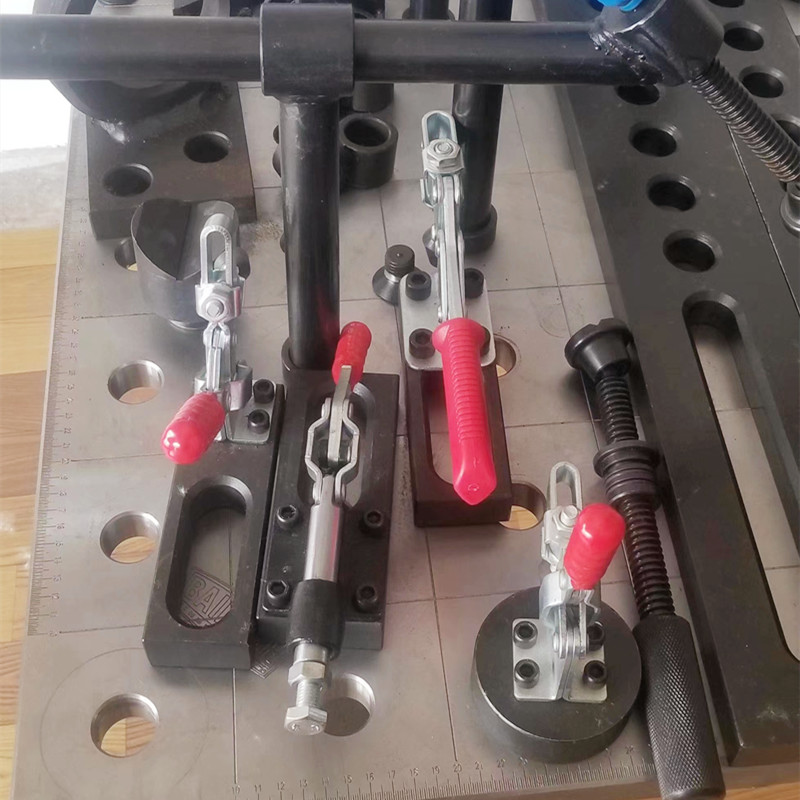
Welding and Fabrication Techniques for Efficient Metal Assembly and Construction
Understanding the Welding Fabrication Table A Comprehensive Overview Welding fabrication tables play
Válvula de nível de água para controle eficiente em sistemas hidráulicos
A Importância da Válvula de Nível de Água No contexto da engenharia hidráulica e do gerenciamento de
Vidin'ny vidin'ny fitaovana fanombanana tariby sy fangarona
Ny vidin'ny fitaovana fanombanana rohy dia tena zava-dehibe amin'ny indostria sy ny sehatra hafa man
 English